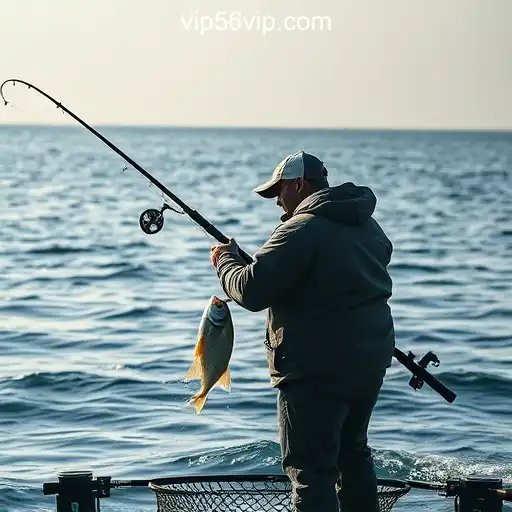
Fishing: A Timeless Adventure
Fishing is one of the oldest and most engaging activities humankind has ever known. Across the globe, it has persevered through the ages as both a critical survival skill and a leisure activity. Today, fishing continues to captivate millions, offering a chance to connect deeply with nature. However, as with many traditions, technology has begun to shape its modern narrative.
The Evolution of Fishing Techniques
The evolution of fishing techniques is a testament to human innovation. From simple hand gathering and spear fishing, early societies moved towards more sophisticated methods such as angling, netting, and trapping. These advancements not only increased the efficiency of catching fish but also transformed fishing into a recreational pursuit.
In contemporary times, innovations such as sonar and GPS have revolutionized the way anglers locate and catch fish. This melding of tradition and technology continues to shape the fishing landscape, providing even amateur fishers with the ability to efficiently partake in this age-old practice.
Environmental Impact and Sustainability
As with any widespread human activity, fishing has significant environmental impacts. Overfishing has become a pressing issue, leading to the depletion of fish stocks in many parts of the world. The unintended consequences of industrial fishing practices, such as bycatch and habitat destruction, further exacerbate the problem.
Efforts are being made globally to ensure sustainable fishing practices. Regulations on catch limits, the promotion of fish farming, and the implementation of marine protected areas are some of the strategies aimed at striking a balance between human necessity and environmental stewardship.
The Allure of Recreational Fishing
Recreational fishing, for many, is more than just a hobby. It is an opportunity to unwind, enjoy the tranquility of nature, and experience the thrill of the catch. Anglers often speak of the solace found in casting a line into still waters under a vast sky, a serene scene that is often depicted in literature and art.
In countries like Brazil, the passion for fishing aligns well with other forms of entertainment, including digital platforms. The interest in sites like 56VIP.com platform-online Slots Brasil #1 highlights a unique fusion of traditional pastimes with modern technological entertainment. While sites just like these primarily focus on online slots, the underlying theme of luck and chance resonates well with the experience of fishing.
Fishing and the Cultural Connection
Fishing holds a deep-rooted cultural significance across various societies. It often transcends the boundaries of mere sport or sustenance. In many indigenous cultures, fishing is intertwined with spirituality and tradition. Ceremonies, rituals, and stories passed down through generations highlight its importance beyond its economic or recreational value.
In regions close to water bodies, fishing festivals are a common occurrence, celebrating the abundance of nature and fostering community bonds. These gatherings provide an opportunity to share knowledge, skills, and stories, keeping the cultural heritage alive.
Technological Integration in Fishing
Technological advancements have made significant inroads into the fishing industry, influencing both commercial and recreational fishing. Online platforms have facilitated learning with virtual simulators and training apps designed to hone fishing skills. Social media and online communities also offer enthusiasts a place to congregate, share tips, and plan fishing expeditions.
In Brazil, platforms like the 56VIP.com platform not only satisfy the appetite for digital entertainment but also promote a sense of community among enthusiasts of various gaming formats. Such platforms illustrate how technology continues to support and expand traditional hobbies, including fishing, to new frontiers.
The Future of Fishing
The future of fishing is likely to be shaped by the dual influences of environmental sustainability and technological advancement. Efforts towards ecological conservation will need to be balanced meticulously with the enthusiasm that drives recreational fishing. Innovations that help reduce environmental impact while enhancing the fishing experience will play a crucial role in this equation.
As modern societies progress into a more connected world, the blend of digital platforms and physical activities like fishing could become more pronounced. This evolution offers exciting prospects for how these two seemingly different realms can converge, offering enhanced experiences for those who embrace both the digital and natural world.